Understanding Self-Harm: A Guide for Parents and Loved Ones
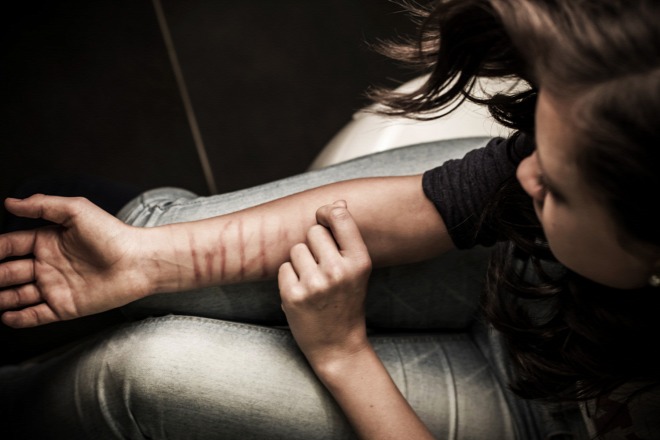
Discovering that someone you love is hurting themselves can be frightening and confusing. It helps to understand that self-harm is usually not about seeking attention or wanting to die — for most people, it is a way of coping with emotional pain that feels too overwhelming to manage any other way, often when someone does not yet have other tools to regulate intense feelings.
You might notice unexplained injuries, a pattern of covering up skin even in warm weather, or a person becoming secretive and withdrawn. If you notice these signs, try to respond with calm concern rather than shock, anger, or punishment — reactions like these often push the behaviour further into hiding rather than stopping it. A simple, caring opening like "I've noticed you seem to be going through something hard — I'm here, and I'm not going to be angry with you" can open the door that fear usually keeps shut.
Self-harm is a sign that someone needs more support than they currently have, not a phase to be ignored or a behaviour to be punished. A trained counsellor can help address what is underneath it and build healthier ways of coping. If you are worried about someone's immediate safety, call 121 for an ambulance or take them to the nearest hospital; for ongoing support, Mental Health Haven works with children, teens, and families navigating exactly this.